January 24, 1948: IBM Dedicated Poppa in New York City
 0124, andrew milner, Android, BBS, bbs software, beta team, blackberry, bulletin board system, clones, crude version, day in tech history, electronic calculator, ENIAC computer, fidonet, file database, ford motor company, gary mckinnon, History of computing hardware, IBM SSEC, internet protocol, iPhone, iTunes, jam message, jan 24, january 24, joaquim homrighausen, judicial review, microwave oven, mozy, multitasking, online forums, palm, party utilities, Podcast, Poppa, protocol systems, ra, radio, Remote access, remoteaccess, Selective Sequence Electronic Calculator, SSEC, stitcher, sync, technology history, tobias burchhardt, vacuum tube computer
0 Comments
0124, andrew milner, Android, BBS, bbs software, beta team, blackberry, bulletin board system, clones, crude version, day in tech history, electronic calculator, ENIAC computer, fidonet, file database, ford motor company, gary mckinnon, History of computing hardware, IBM SSEC, internet protocol, iPhone, iTunes, jam message, jan 24, january 24, joaquim homrighausen, judicial review, microwave oven, mozy, multitasking, online forums, palm, party utilities, Podcast, Poppa, protocol systems, ra, radio, Remote access, remoteaccess, Selective Sequence Electronic Calculator, SSEC, stitcher, sync, technology history, tobias burchhardt, vacuum tube computer
0 Comments

Subscribe! Spotify | RSS | More
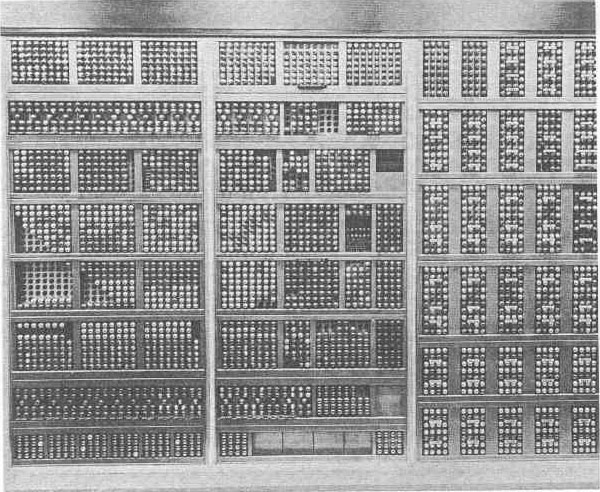
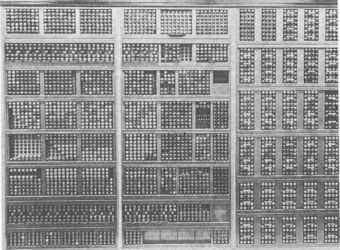
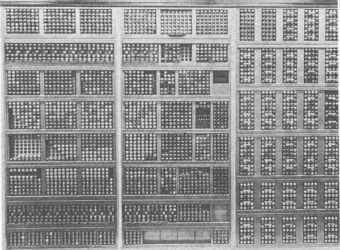
1948 – At IBM world headquarters, IBM dedicated the Selective Sequence Electronic Calculator (SSEC). The machine – otherwise known as Poppa – was the first computer to combine electronic computation with stored instruction. The 13,500 vacuum tube computer contained 21,000 relays.
The 1,800 square foot computer room had a large glass window so the public could see the building of Poppa. IBM created a raised floor for this computer so cables could run underneath and would not be tripped on. This was all in promotion to compete with the ENIAC computer.
The first calculations were of the positions of the Moon and planets. This would eventually be used by NASA to plot the course of the 1969 Apollo flight.
The SSEC was decommissioned in 1952.
Subscribe to Day In Tech History:
RSS Feed - iTunes - Google Play - Spotify
Twitter - Facebook
- RSS Bandwidth by Cachefly Get a 14 Day Trial
Be a Part of the Sconnie Geek Nation!
In Wisconsin, friends are called "Sconnies". Even if you're not from Wisconsin, you can be part of the Sconnie Geek Nation through my coverage! By pledging, you join the Geek Sconnie Nation! Plus, you help me cover costs so I can continue the coverage of Gadget tech, music tech, and geek culture through the shows.
- Walt Disney purchases Pixar
- Microwave Oven is patented
- Gary McKinnon won right to judicial review
- Apple introduces a floppy drive for the Lisa computer